
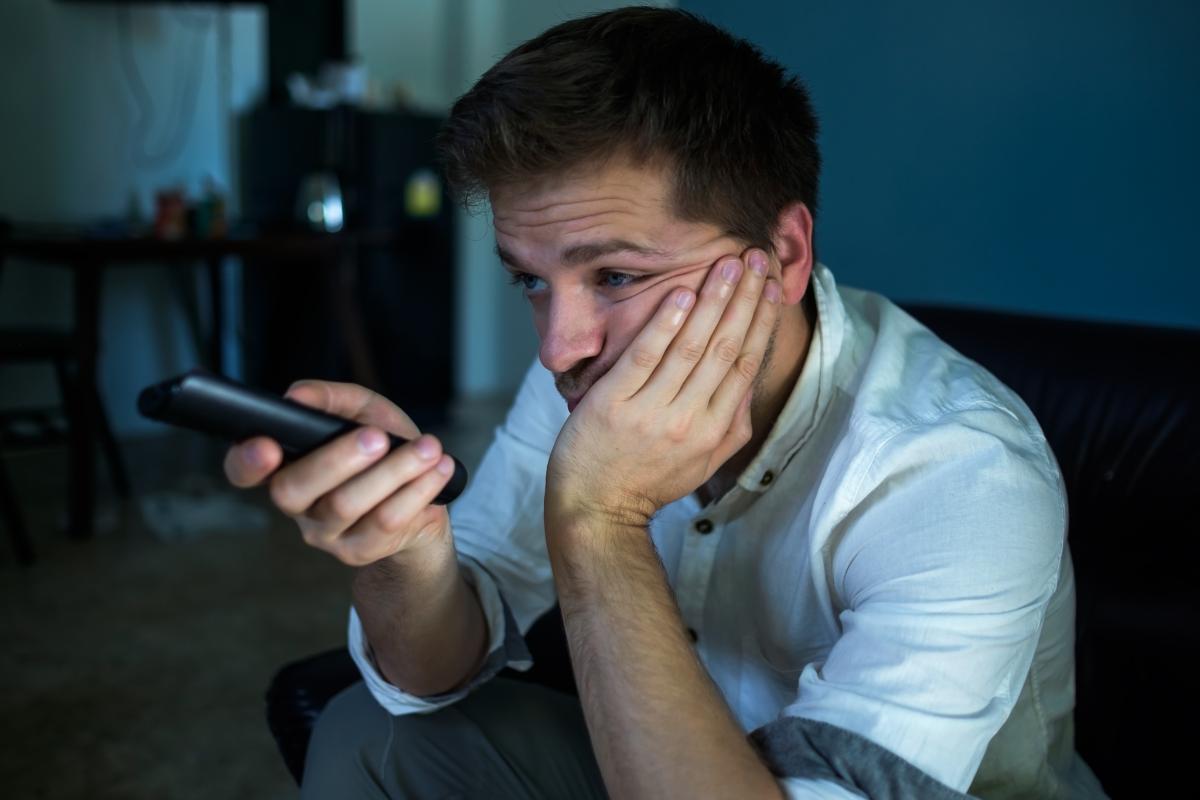
Over the past few decades, streaming services have grown as binge-watching has become more popular. Binge-watching is the act of watching 2-6 episodes of a show all in one sitting. Similar to the sensation of not wanting to put a good book down, binge-watching can feel both thrilling and overwhelming at the same time.
According to Northwestern Medicine, people watch around 21 hours of media every week. Binge-watching, at times, can be addictive, especially when someone uses it to avoid doing a task while using the show as an outlet. Richelle C., a freshman at Greeley, for instance, says she “uses binge-watching as a way to procrastinate.”
Diving back into a show and thinking just one more episode repeatedly until the clock strikes two hours later can be a way to escape everyday activities and outside pressures. Immersing in a world—either full of fantastical creatures or teen dramas—can serve as an escape from reality.
The addictive feeling is due to dopamine being created in the brain. Dopamine, a chemical reaction linked to fulfilling pleasurable desires, is often released when watching a show. As these stimulants are triggered, viewers are persuaded to press the are-you-still-watching? button at the bottom of the screen that forwards to the next episode. Shows are strategically designed using past information and data from popular movies and shows. Using cliffhangers in every episode to persuade the viewer to keep watching, it’s almost impossible to put the laptop down even when the clock flashes past two in the morning. Streaming services like Hulu and Netflix have perfected their methods to gain profit and attention.
Binge-watching may seem unhealthy due to the excessive amount of screen time used and the waste of time it appears to be. It’s scientifically proven that binge-watching is linked to depression and loneliness. Binge-watching can impact real-life relationships, creating divides between people when they neglect their needs and relationships due to their heavy commitment to online media. It can also affect everyday life. When the only thing you want to do is turn on your TV and continue from the episode you left off, social relationships are hard to maintain. The show becomes the primary priority. Binge-watching can be like a drug, urging the viewer to continue forward and begin the next season.
Relationships are built, and bonds are forged through this practice as well. People can discuss a show they’ve been watching, ranting on about the cliffhanger they left off on, or the similar situation they find themselves in, where they can’t stop watching the show. Family and friends start watching shows together, spending valuable time soaking up each other’s presence while also enjoying the laughter and chatter through the TV screen. Shows introduce new concepts that people might not have been aware of before, and learning more about them can open the viewers’ eyes to a whole new perspective.
Various people have no regrets despite the consequences of their binge-watching due to the lasting enjoyment and feeling of accomplishment. According to Headspace, 73% of people often don’t feel remorse over binge-watching.
The appeal of marathon viewing to people is evident through the way many sites use the “most binge-watching worthy shows” to capture viewers’ attention. People want that exhilarating experience of starting a new show for the first time and knowing the entire season will be finished in a day.
Although it remains a key part of entertainment culture, binge-watching is the nation’s guilty pleasure, the debate continues whether or not binge-watching should be considered a good or bad habit. Ultimately, while it can be harmful and leave a destructive path, there are benefits to this practice as well.
While it’s not decidedly good or bad, binge-watching certainly has its lasting effects. “After consistent screen time, it leads to me being very tired,” Richelle said. “It’s worth it in the end, though.”