
This article contains spoilers.
On May 31, 2000, the world of reality competition television changed forever; 16 strangers were deserted on an island for 39 days, forced to vote each other out with the hopes of winning the $1,000,000 prize and the title of Sole Survivor. This social experiment garnered much media attention, with the first season averaging roughly 28.3 million viewers per episode. For a quarter century, the hit show Survivor has generated billions of dollars for CBS, keeping nearly 5 million loyal fans engaged and entertained each season.
How Survivor Has Survived
The average reality TV show lasts one to four seasons, yet Survivor has withstood 50, so the pressing question is how has Survivor outlasted nearly every other reality show on television? Part of the answer is that it is constantly evolving. Seasons 1 through 40 lasted 39 days (with the exception of season 2, which lasted 42 days), but current seasons now run 26, removing roughly a third of the time from the seasonal calendar—a change that originally stemmed from filming during the pandemic but has since become permanent. The “new era” of Survivor introduced not just a shorter format but a complete overhaul of twists, advantages, and game mechanics, with host Jeff Probst defending the changes as making the game more difficult. Whether or not the fans agree, the willingness to keep tinkering has kept the show from feeling too stagnant.
But format changes alone don’t explain the loyalty. Survivor has built something most reality shows fail to achieve: a cultural footprint. Roughly 140 million people worldwide watched Richard Hatch become the first Sole Survivor in August 2000, and the season one finale became the second most watched television program of the decade outside of sports. The Ringer’s Alison Herman argues that the show’s “influence is so vast it’s almost impossible to see, like a fish swimming in crystal-clear tropical water.” That influence is now being formally recognized: the Smithsonian’s Museum of American History recently added props from Survivor (including the immunity necklace from Survivor 50) to its permanent collection, with the museum’s historian of American entertainment calling it “one of the most influential” reality shows of all time. For most devoted fans, watching Survivor isn’t just watching a game show, but keeping up with a decades-long story.
Survivor 50: In the Hands of Whom?
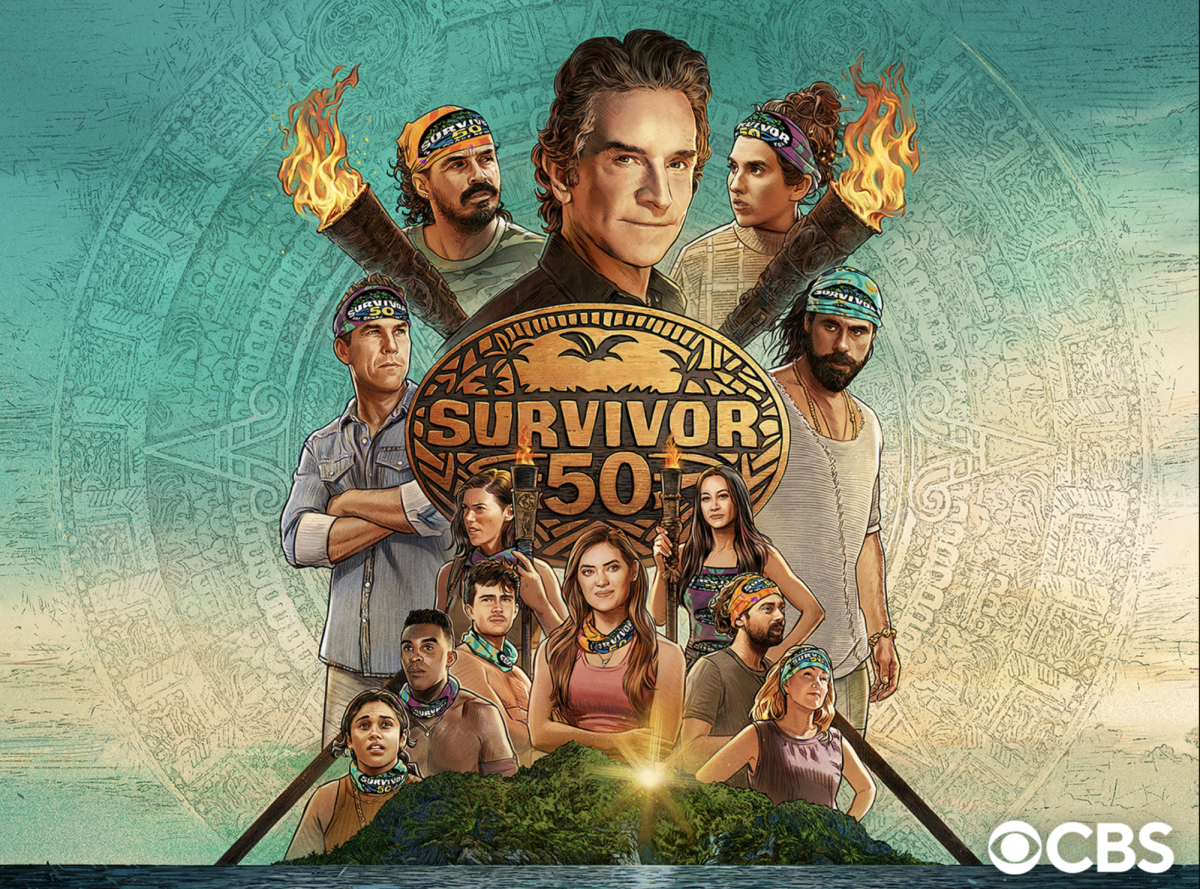
To celebrate the landmark 50th season, Survivor brought back 24 of the most famous players to give it another shot. But while production may have decided the cast, those in charge decided to turn the set up of the game over to the fans, holding online votes for tribe colors, twists, challenges, and more. In doing so, they dubbed the season “Survivor 50: In the Hands of the Fans.”
Despite claims of being “in the hands of the fans,” many Survivor fans are dissatisfied with the season, saying that it was not the fans who were making the decisions, but Probst and the whole production crew. Celebrity twists like the Billie Eilish Boomerang Idol and the Mr. Beast Coin Flip, supposedly brought to the screen by famous fans of the show with hopes of adding something special, instead resulted in controversy. Echoing this imbroglio, Survivor fan Riley McAtee wrote in The Ringer that “fans had the chance to vote on whether they wanted idols in the game, and, predictably, given how popular they are, 80 percent voted yes. But then we didn’t get idols. We got Billie Eilish Boomerang Idols™. What is the point of having fans ‘vote’ to include something, only to replace that thing with something else? What was it we really voted on?”
The pattern extended beyond the idols—fans were given the chance to vote on 11 categories, but as Probst told Entertainment Weekly, some were “a bit nebulous.” Voters were asked to choose whether advantages should have “minimal power,” “strategic power,” or “dynamic power” with little indication of what any of those options would mean in practice. Other choices were limited to aesthetics like tribe colors and necklace designs, while decisions such as the cast and celebrity cameos remained with production.
The casting drew its share of frustration as well. With Survivor 50 limited to 24 returning players, production cut several iconic competitors from contention, many of whom did not stay quiet about it. Having played in three of the most popular seasons, Survivor legend Jerri Manthey recorded a video in which she said she felt treated with “utter disrespect,” while past players like Carolyn Wiger, Jesse Lopez, Natalie Tenerelli, and Spencer “Reiman” Bledsoe also voiced their disappointment publicly. Probst eventually addressed the backlash in a Vanity Fair interview, admitting that the reaction “hurts [his] heart” and that he is “a deep-feeling person,” though he did not address what went into the final selections.
Aside from comical twists, dissatisfying casting, and ineffectual fan votes, Survivor’s 50th season has been one of the most eagerly anticipated seasons of them all. With a disappointing “new era” (seasons 41-49) that featured no returners, a relatively dull cast, and controversial changes, the landmark celebration of 25 years was highly publicized and promoted as another exciting all-star season. But with the overhaul of twists and celebrity interference, fans feel “Survivor 50 was not worth two years of hype.”
The disconnect between the season’s branding and its execution did not go unnoticed. The same fan’s finale recap was titled “In the Hands of Jeff Probst,” a nod to the sense among some fans that the most consequential decisions of the season, from the twists to the celebrity sponsorships, were made by production rather than the audience the campaign claimed to empower.
The Women of Survivor 50
Frustrations with Survivor 50 extended beyond gameplay. Throughout the first half of the season, Christian Hubicki and Ozzy Lusth dominated the cast in confessional counts, while many of the female players were given far less screen time. Tiffany Ervin went without a single confessional in two of the first four episodes, and four other women had episodes with none at all; only two men had the same. The Zac Brown reward in Episode 4 was especially glaring, as Brown himself was given four solo confessionals, totaling over two minutes of screen time, which was more than Ervin had accumulated all season at that point.
Angelina Keeley, another cast member from the season, addressed the imbalance in a widely circulated Instagram post after being voted out, writing that fans expected “Tiffany to have more confessionals than a random celeb that no one asked to see” and “more than old basic stereotypes.” Probst defended the editing team, though he admitted that the show does not aim for equal screen time across the cast.
Despite the underexposed female cast, a woman ultimately won. Aubry Bracco was crowned Sole Survivor at the live finale in Los Angeles, taking home both the title and the doubled $2 million prize. But her victory has drawn comparisons to past winners whose games were “largely unseen,” leaving Bracco to justify a win the season’s edit gave viewers little reason to appreciate.
The Open Era
What comes next for Survivor has fans hopeful. Following the finale of Season 50, Probst unveiled a teaser for Survivor 51, promising “a new kind of game.” The promo introduced 21 new players and brought back the traditional marooning, where contestants jump off a ship and gather supplies at the start of the game, a longtime fan favorite that the new era had abandoned. The season is also reported to return to a two-tribe format for the first time since Winners at War in 2020, a change fans have been asking for since the new era began. Probst also announced that “every advantage, every idol, every twist” from the show’s 50 season history would be in play, framing the season as one of “permanent uncertainty.” Some fans have even begun speculating that themed seasons could come back, with Probst telling Variety that while there is “nothing on the horizon,” themes are “very fun to do.”
Whether the Open Era will fully address fan concerns from Season 50 remains to be seen. The 26 day format is still in place, and how many of the season’s twists and elements production will actually use is unclear. But after 49 seasons of tweaking and a 50th that left many viewers disappointed, the willingness to bring back what fans have been asking for suggests that, even in its 25th year, Survivor is still doing what has kept it on the air this long: evolving.