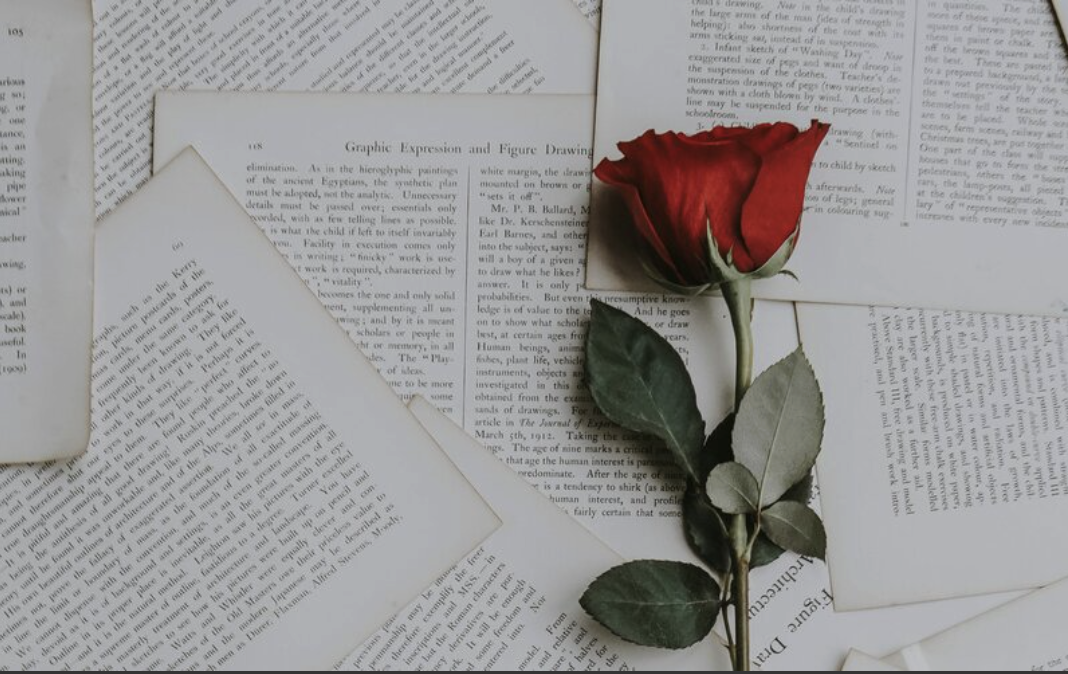
It’s surprising how, in a country that strongly believes in the freedoms of speech and expression, there has been a significant emphasis on the censorship of books, certain messages, and ideas that have the power to affect children’s self-image and confidence. In the past four years, nonprofit organization PEN America, which promotes freedom of expression, has recorded almost 23,000 book bans in 45 states and 451 public school districts across the United States; 6,870 of these bans took place in the 2024-2025 school year.
Why are people so preoccupied with banning books, though? As of 2020, a desire to evade controversy may be a leading cause. The First Amendment Museum found that the current top-ten reasons for book bans are that they include topics or themes that include sexual content, offensive language, topics deemed “unsuited” to the target age group, religion, LGBTQ content, violence, racism, use of illegal substances, “anti-family” values, and political perspective—all of which highlight the political and societal tensions that have been driving the recent book bans. After compiling data from PEN America and the American Library Association (ALA), the top 10 most-banned books in the U.S. are…
- The Bluest Eye by Toni Morrison
- 1984 by George Orwell
- To Kill a Mockingbird by Harper Lee
- The Adventures of Huckleberry Finn by Mark Twain
- The Handmaid’s Tale by Margaret Atwood
- Looking for Alaska by John Green
- The Perks of Being a Wallflower by Stephen Chbosky
- The Hate U Give by Angie Thomas
- A Clockwork Orange by Anthony Burgess
- The Catcher in the Rye by J.D. Salinger
Book bans, however, are not an adequate solution to avoiding controversy; they may just lead young readers to avoid or be tempted into indulging these forbidden titles. According to the American Psychological Association, when students have a more diverse selection of books to choose from, they’re likely to be more interested in reading. It may also increase their reading time, especially when they’re younger. Additionally, a study done by Carnegie Mellon University found that since 2021, book bans in public and school libraries caused a 12% increase in circulation of the banned book in areas where it’s not banned.
All around the U.S., schools and students are becoming more aware of the rise in book bans, and are becoming involved in fighting against them. Ms. Schembri, a Horace Greeley librarian, emphasized that “If a book offends just one person, they will try to ban it for everyone. You’re given [the] freedom to read, and by censoring books you’re invading my right as a reader.” She spoke about the “Banned Books Week” organized by the ALA, and how Greeley celebrates people’s freedom to read by putting up posters in order to promote books that have been banned throughout the U.S., and marking which books of the ones in our GLC have been challenged or censored. Additionally, libraries such as the New York and Brooklyn Public Libraries have taken the initiative to move away from this censorship. Students and schools have established “banned book clubs,” in which teens are given a wide range of banned books to select from.
Students across the U.S. have made petitions and organized events to protest against book bans, and schools have put up posters like the one in our very own GLC, which reads, “I survived reading banned books and all I got was smarter.”



Cayne Letizia • Nov 21, 2025 at 10:00 am
Great article Gabriela!