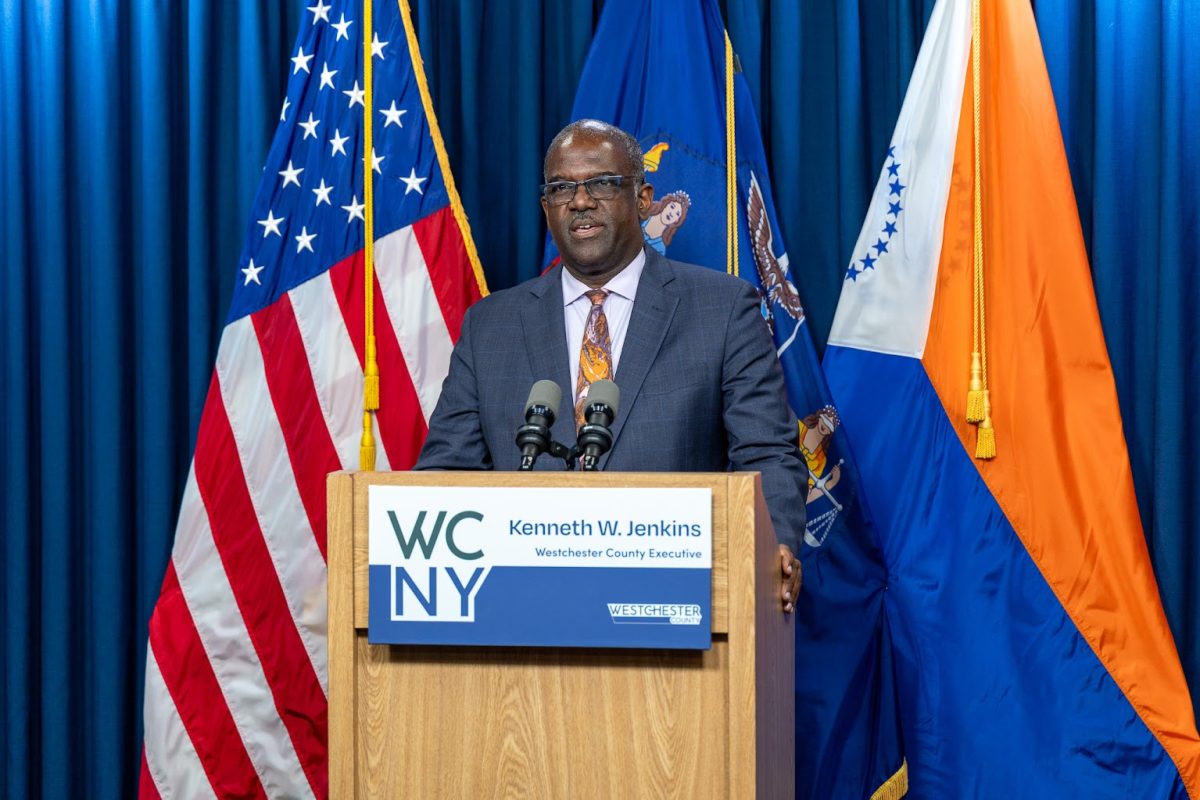

On January 3rd, 2026, President Donald Trump ordered a “large-scale strike” on Venezuela’s capital, Caracas, resulting in the capture of Venezuelan President Nicolas Maduro and his wife, Cilia Flores. The District Court for the Southern District of New York has since indicted the couple on charges related to narco-terrorism and drug trafficking.
These charges have come after months of strained relations between the two countries: Starting on September 2nd and ending just before Maduro’s capture, the United States had been conducting targeted strikes aimed at boats near Venezuelan waters. Since then, 32 boats have been struck, killing 115 people. The strikes were performed due to the administration’s belief that these boats were carrying narcotics en route to the US. To date, the Trump Administration has not released evidence on the amount or type of drugs that the vessels are claimed to be carrying. However, this concern over drug operations in Venezuela, as well as the idea that Maduro had been becoming “increasingly politically hostile toward the U.S.,” are the reasons why the Administration acted against Maduro according to the Department of War’s official statement.
In conjunction with the strikes on Venezuelan ships, the U.S. also began a naval blockade on December 16th. This blockade barred oil tankers from entering or leaving Venezuela, and a week later, Trump imposed sanctions on different oil companies in the region. Storage facilities for the crude soon became filled as a result. Trump’s interest in oil peaked at the time of Maduro’s abduction; a White House correspondent detailed that “President Trump brokered a historic energy deal with Venezuela, immediately following the arrest of narco-terrorist Nicolás Maduro…” that involves two globally established oil companies, Trafigura and Vitol. Since then, both companies have been working their way through Venezuelan oil stores, with the crude routed to end up at U.S. refineries. According to the AP, the current interim president of Venezuela, Delcy Rodríguez—previously Maduro’s vice President who was kept in power by Trump—has also been arguing for more foreign investment and involvement in the oil sector. This role was one that both Venezuelan citizens and media centers were expecting to go to María Machado, as she is nationally considered the real winner of the 2024 presidential election, which Maduro reportedly rigged heavily in his favor.
Besides the President’s motives, many have been questioning whether the abduction of Maduro was constitutional. Domestically speaking, while the President has the power to begin a military endeavor without congressional approval, due to a law known as the War Powers Resolution, Congress is required to be notified within 48 hours of military deployment. However, no lawmakers were ever informed about the operation, with Secretary of State Marco Rubio stating that this step was overlooked due to concern that news of the administration’s plans would be leaked. Many senators have since criticized the choice, saying that this decision endangered service members and left Congress with no long-term plans on how to deal with the abductions’ aftermath. Greeley debate club member Keira C., a Sophomore who has studied the situation intently for an upcoming tournament, added that since Maduro’s capture was not done with Congress’s knowledge, this puts both his capture and trial as a whole on shaky legal and constitutional grounds.“If you’re going to charge him under American law, you have to follow the American law. ”
Nationally, Trump’s actions have been seen as a violation of the United Nations’ guidelines. Despite its charter allowing members to engage in self-defense, it bars the use of unprompted military force or intimidation, the UN condemning Trump’s actions as the latter. More generally, the administration is facing criticism for arresting a foreign leader under U.S. charges. Maduro was indicted on drug trafficking charges in 2020; these allegations have never been acted on until now, as enforcing them has the possibility of being classified as a violation of Venezuela’s sovereignty or the right of the country to govern itself.
However, despite these and other concerns over the trial’s legality, it will likely continue now that it has been brought in front of a court. While Maduro has pleaded not guilty to all charges brought against him, no verdict has been reached. Until the trial resumes, Maduro is set to wait out the time in a notorious Brooklyn jail (the Metropolitan Detention Center), all the while Venezuelan and United States relations continue to unfold in the coming months.